Haut-Médoc
How to read this
Capitals mark the stressed syllable. The recording is the reference.
The appellation wrapped around the 6 communal names it does not contain: 28 communes from Blanquefort to Saint-Seurin-de-Cadourne, 5 growths of 1855 and 53 Crus Bourgeois, under rules rewritten in 2025.
The place
The rules
Red only. The cahier des charges, the appellation’s official rulebook, homologated on July 31, 2025, keeps the 6
The names
Cantemerle at Macau, the Fifth Growth added to the list in September 1855: we wrote about that here. Sociando-Mallet at Saint-Seurin-de-Cadourne, the estate that stayed out of every classification on purpose: we wrote about that here. Five growths of 1855 sit in the appellation, and the classification of 2025 holds 53 Crus Bourgeois here, against 153 in the list of 1932. Ranking wines is an old Bordeaux habit: the Jurade of Bordeaux made the first classification of the wines of Guyenne in 1647.
- Color
- Red
- Communes
- 28, from Blanquefort to Saint-Seurin-de-Cadourne
- Growers
- 240; about 250,000 hectoliters a year
- Grapes
- The 6
Médoc varieties; Arinarnoa, Castets, Marselan and Touriga Nacional, for adaptation, to 5% of an estate and 10% of a blend - Density
- 6,500 vines a hectare at least
- Yield
- 55 hectoliters a hectare, ceiling 65
- Alcohol
- 11% natural at least
- Release
- From April 15 of the year after the harvest
- Classified
- 5 growths of 1855; 53 Crus Bourgeois in the classification of 2025
- AOC since
- November 14, 1936; cahier of July 31, 2025
Sources: BO-AGRI, cahier des charges
The stack
The same land in
It shares named communes with
The appellations of Bordeaux are stacked, not laid side by side. The map draws the whole stack. Open the map
The pyramid of names shows what each step promises: vines a hectare, bottles, ripeness, day of sale, grapes. Climb from here
Classifications that reach this appellation: The Classification of 1855, The Crus Bourgeois du
Terroir
The
At Blanquefort the starfish limestone (calcaire à astéries) lies flat and comes to the surface over wide stretches, weathering into a very heavy reddish clay. Further north the same rock was quarried until the end of the 19th century, for building and for roads; the old quarries of Saint-Sauveur show it well. Around Vertheuil, the old quarries of a shelly sandstone had practically disappeared by 1973.
Hands worked the low land along the estuary. Seasonal laborers from the Pyrenees and from across the Gironde, the Montagnols and the Saintongeais, plowed deep and dug in manure, fertilizer, Landes sand and heather. In 1977 the market gardens on the marsh soils were known for an artichoke named after an island on the map, the Macau. Rivers and seas laid this soil down, and hands kept reshaping it.
- Slope wash and cover15.3%
- River and estuary deposits of today1.2%
- Ice age river terraces: sand, gravel, pebbles59.7%
- Landes sand and the oldest river deposits4.1%
- Starfish limestone and marine marls10.8%
- Lake limestones and clays0.7%
- Molasses: sands and clays of old rivers and lakes0.2%
- Older sea limestones and marls8.0%
Shares of the delimited area, measured on BRGM’s geological map, in families by the age and rock its legend prints, youngest first.
Half its delimited soil lies above 18 m, and 9 tenths lies between 6 and 33 m. 1.9% of it is steeper than 10%.
Measured section
The line runs 9.4 km, from 30 m to 4 m. Inside the delimited area it lies between 4 and 42 m.
Colors: Slope wash and coverIce age river terraces: sand, gravel, pebblesLandes sand and the oldest river depositsOlder sea limestones and marls
Tap the marker on the section, or open the borehole below: a core slides out, layer by layer.
1Drill here: Lamarque, borehole 779-1-6, 478 m from the line
| Depth | As printed | In English | Age (ICS) |
|---|---|---|---|
| 0.0 to 6.2 m | Quaternaire | Quaternary | the last 2.58 million years |
| 6.2 to 136.8 m | Éocène moyen | middle Eocene | middle Eocene; no stage is named |
| 136.8 to 156.4 m | Éocène inférieur | lower Eocene | Ypresian, 56.0 to 48.07 million years ago |
| 156.4 to 177.7 m | Sénonien supérieur | upper Senonian | Late Cretaceous, older than 66.0 million years; Senonian is an old stage name the ICS chart does not use |
Log printed in BRGM notice 0779, p. 42, under the heading “Lamarque” (borehole BSS001WVWD in the subsurface register). The log names ages, not rocks. Marked at the point of the line nearest to it. BRGM’s subsurface register gives this borehole a depth of 176.0 m; the printed log runs to 177.7 m.Depths in meters below the surface; thin layers are drawn at a minimum height.BRGM, Notice explicative de la feuille
The units, as BRGM prints them
| Code | Name and age, as printed | Share |
|---|---|---|
| Slope wash and cover | 15.3% | |
| CFp | Formations superficielles | 15.3% |
| and 1 more unit under 1% each, 0.0% in all | ||
| River and estuary deposits of today | 1.2% | |
| and 2 more units under 1% each, 1.2% in all | ||
| Ice age river terraces: sand, gravel, pebbles | 59.7% | |
| Fwb(G) | Moyennes terrasses (RG Garonne) - Terrasses de Léognan, terrasse de Martillac et terrasse de St Selve indifférenciés (type 3 à 5), Esltérien - "Mindel" | 5.7% |
| Fvb(G) | Hautes terrasses (RG Garonne) - Terrasse de Martillac (type 2) indifférenciée et terrasse d'Arsac, Ménapien à Bavélien - "Gunz" | 43.3% |
| Fva(G) | Très hautes terrasses (RG Garonne) - Terrasse de Léognan (type 1) indifférenciée et terrasse de | 10.6% |
| Landes sand and the oldest river deposits | 4.1% | |
| Ft(Bn) | Formation de Belin, Tiglien - "Biber-Donau" | 3.3% |
| and 2 more units under 1% each, 0.7% in all | ||
| Starfish limestone and marine marls | 10.8% | |
| g1-As | Calcaire à Astéries, Rupélien marin | 5.7% |
| g1-Ar | Calcaire à Archiacina, Rupélien marin | 4.4% |
| and 2 more units under 1% each, 0.7% in all | ||
| Lake limestones and clays | 0.7% | |
| and 2 more units under 1% each, 0.7% in all | ||
| Molasses: sands and clays of old rivers and lakes | 0.2% | |
| and 3 more units under 1% each, 0.2% in all | ||
| Older sea limestones and marls | 8.0% | |
| e7b-G | Groupe de Plassac - Grès à Anomies, Priabonien moy. marin | 1.7% |
| e7b-C | Groupe de Plassac - Calcarenite, Priabonien moy. marin | 2.5% |
| e7b-Ms | Groupe de Plassac - Marnes à sismondia occitana et ostrea bernonensis (supérieures), Priabonien moy. marin | 1.1% |
| e7a-Ce | Groupe de Plassac - Calcaires de St Estephe, Priabonien inf. marin | 1.4% |
| and 5 more units under 1% each, 1.4% in all | ||
Informative figures, computed from INAO’s digitized parcel delimitation of October 12, 2026 and BRGM’s harmonized geological map (BD Charm-50); heights from IGN’s RGE ALTI 5 m. The plans held at the town hall are the legal reference. The delimited area is always somewhat larger than what is planted.
Sources: BRGM, Notice explicative de la feuille Bordeaux à 1/50 000, 1977; BRGM, Notice explicative de la feuille
Its soil, layer by layer · See it in 3D · See it on the Map · Compare it with another appellation · All about Terroir
Châteaux on this site
Château Arnauld Château Barateau Château Barreyres Château Beaumont Château Bel Air Gloria Château Bel Orme Tronquoy-de-Lalande Château Belgrave Château Bernadotte Château Bibian Château Cambon La Pelouse Château Cantemerle Château Caronne Sainte-Gemme Château Charmail Château Cissac Château Citran Château Clément-Pichon Château Corconnac Château Coufran Château Croix du Trale Château d’Agassac Château d’Arcins Château d’Osmond Château de Braude Château de Camensac Château de Cartujac Château de Coudot Château de Lamarque Château de Lauga Château de Malleret Château de Villambis Château Dillon Château du Cartillon Château du Hâ Château du Moulin Rouge Château du Raux Château du Taillan Château Grand Brun Château Grand Clapeau Olivier Château Haut Beyzac Château Haut-Madrac Château La Fon du Berger Château La Lagune Château La Tour Carnet Château Lacour Jacquet Château Lamothe-Bergeron Château Lamothe-Cissac Château Lanessan Château Larose-Trintaudon Château Larrivaux Château Le Bourdieu Vertheuil Château Le Monteil d’Arsac Château Lestage Simon Château Liversan Château Magnol Château Malescasse Château Meyre Château Micalet Château Moulin de Blanchon Château Paloumey Château Pey Mallet Château Peyrabon Château Peyrat-Fourthon Château Pontoise Cabarrus Château Prieuré de Beyzac Château Puy Castera Château Ramage La Batisse Château Reysson Château Rollin Château Saint Ahon Château Sénéjac Château Sénilhac Château Sociando-Mallet Château Tour du Goua Château Verdignan Château Victoria Château Vieux Gabarey Château Vieux Landat Clos La Bohème Domaine Andron Domaine de la Garenne
Tastings
11
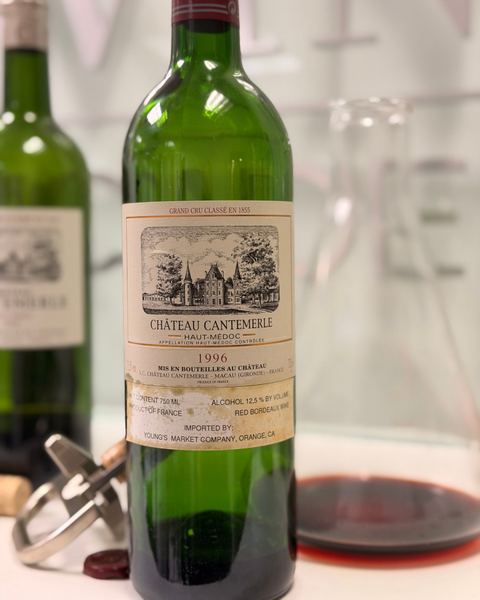
March 27, 2026
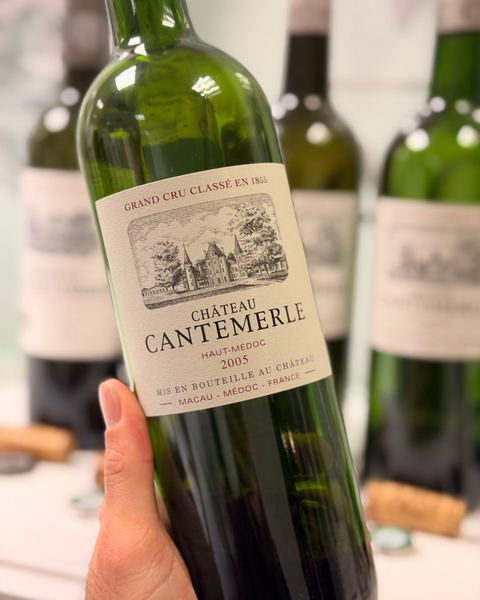
March 26, 2026
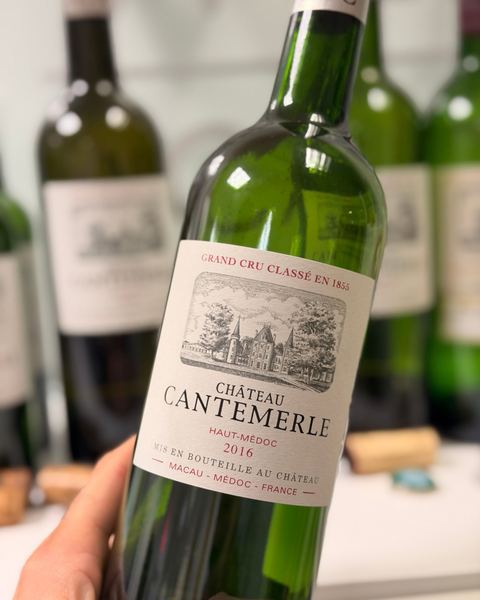
March 25, 2026
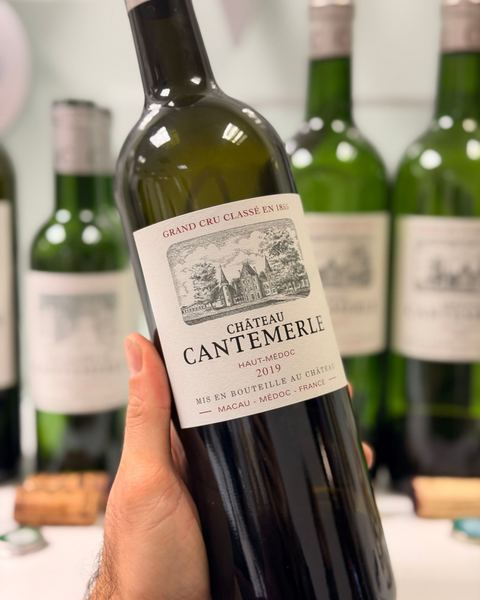
March 24, 2026
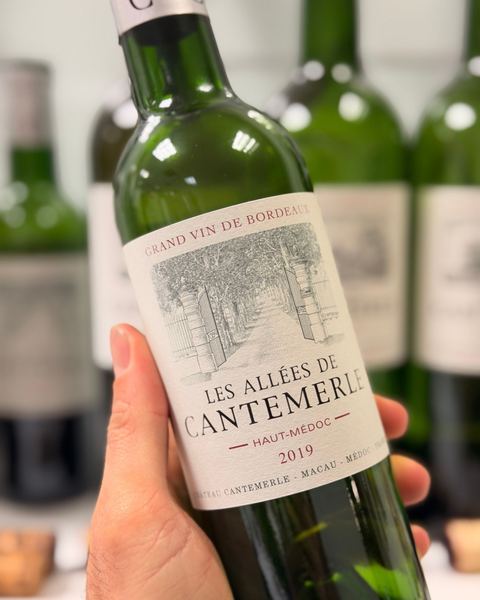
March 23, 2026
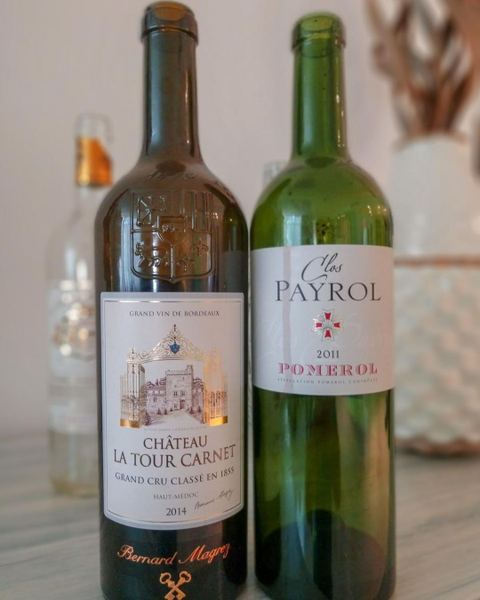
December 19, 2025
News from Haut-Médoc
6
-
A 3-day, 29-km bicycle route from Blanquefort’s station leads through
Médoc vineyards, six wineries and a cooperage, with tastings and encounters withHaut-Médoc producers.The route highlights wine tourism as another way for the
Médoc to connect its estates and landscape directly with visitors. -
Cruse family sells
Médoc château after 130 yearsThe Cruse family sold
Château du Taillan in theHaut-Médoc to French businessman Laurent Marti after 130 years of ownership. Classified as Cru Bourgeois Exceptionnel, the château has 110 hectares, including 24 hectares of vineyards, and will retain its classification.Long-held château sales can signal changes in investment, vineyard management and market positioning. The buyer's plans will determine what this ownership change means for the property.
-
Looking back at the first Odyssey of the Two Banks
Vignobles de l’Estuaire held its first Odyssée des deux rives tasting on Île de Patiras for local wine influencers and trade prescribers. Around forty growers presented red and white wines from
Blaye Côtes de Bordeaux ,Côtes de Bourg ,Médoc andHaut-Médoc . -
Mini-vertical:
Château Malescasse According to Terre de Vins,
Château Malescasse , a Cru Bourgeois Exceptionnel inHaut-Médoc , has been owned by Philippe Austruy since 2012 and receives consulting support from Stéphane Derenoncourt. The 35-hectare property has shown steady quality progression across vintages. -
How
Château Cantemerle spread its wings once moreOn August 3, 2026, decanter.com said
Château Cantemerle completed the final part of its renovation in time for the 2025 vintage, marking a new era for the fifth growth in theHaut-Médoc appellation south ofMargaux . -
Château Cantemerle ’sHaut-Médoc CharmChâteau Cantemerle , a distinguished Cinquième Cru in theHaut-Médoc , has a new cellar and a focus on Cabernet, according to Wine Spectator.