Saint-Julien
How to read this
Capitals mark the stressed syllable. “zh” is the s in “measure”. “ew” is “ee” said with rounded lips. “an” is a nasal vowel: say it through the nose, with no n. The recording is the reference.
The smallest of the 4 great communes and the most classified: 11 growths of 1855 on a gravel rise, making about 90% of the wine.
The place
The rules
Red only, from the 6
The names
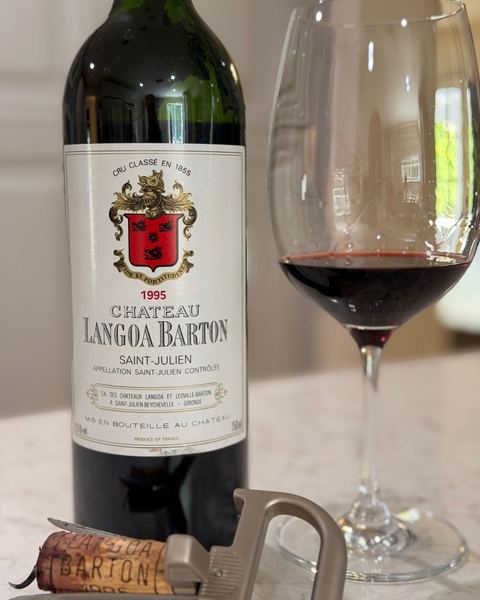
The 11 classified growths of 1855 make about 90% of the wine: Léoville Barton among the Seconds, Lagrange among the Thirds, Branaire-Ducru among the Fourths, and beside them Gloria, the estate Henri Martin assembled from the vines of 9 classified growths without ever winning a rank of its own: we wrote about that here.
- Color
- Red
- Communes
Saint-Julien -Beychevelle, with parcels of Cussac-Fort-Médoc ,Pauillac and Saint-Laurent-Médoc - Vineyard
- 929 hectares planted; 19 growers
- Grapes
- Cabernet Sauvignon, Cabernet Franc, Merlot, Petit Verdot, Malbec, Carmenère
- Density
- 7,000 vines a hectare at least
- Yield
- 57 hectoliters a hectare, ceiling 63
- Alcohol
- 11% natural at least
- Release
- From September 1 of the year after the harvest
- Classified
- 11 growths of 1855
- AOC since
- November 14, 1936
Sources: INAO,
The stack
The same land in
It shares named communes with
The appellations of Bordeaux are stacked, not laid side by side. The map draws the whole stack. Open the map
The pyramid of names shows what each step promises: vines a hectare, bottles, ripeness, day of sale, grapes. Climb from here
Classifications that reach this appellation: The Classification of 1855, The Crus Artisans du
Terroir
What becomes of the rain on
On the slope toward the Gironde, plants and air take back about half the rain, and of the rest far more runs off toward the estuary than sinks in. The sand-filled hollows between the rises stay waterlogged and must be drained, because of the clay beneath them. On the long, low rises (croupes), drainage water gets away easily, to the Gironde or to its little streams (jalles).
In his study of the 1970 season, G. Seguin followed one croupe standing right at the appellation's middle height. That summer, almost all the water its vines drew came from the top meter of soil. A thin coat of stones on clay, leaning toward the estuary.
- Slope wash and cover5.9%
- River and estuary deposits of today0.2%
- Ice age river terraces: sand, gravel, pebbles92.8%
- Starfish limestone and marine marls1.0%
- Older sea limestones and marls0.2%
Shares of the delimited area, measured on BRGM’s geological map, in families by the age and rock its legend prints, youngest first.
Half its delimited soil lies above 18 m, and 9 tenths lies between 6 and 23 m. 1.7% of it is steeper than 10%.
Measured section
The line runs 7.1 km, from 9 m to 6 m. Inside the delimited area it lies between 9 and 26 m.
Colors: Slope wash and coverIce age river terraces: sand, gravel, pebblesStarfish limestone and marine marls
The units, as BRGM prints them
| Code | Name and age, as printed | Share |
|---|---|---|
| Slope wash and cover | 5.9% | |
| CFp | Formations superficielles | 5.9% |
| River and estuary deposits of today | 0.2% | |
| and 1 more unit under 1% each, 0.2% in all | ||
| Ice age river terraces: sand, gravel, pebbles | 92.8% | |
| Fvb(G) | Hautes terrasses (RG Garonne) - Terrasse de Martillac (type 2) indifférenciée et terrasse d'Arsac, Ménapien à Bavélien - "Gunz" | 92.5% |
| and 1 more unit under 1% each, 0.3% in all | ||
| Starfish limestone and marine marls | 1.0% | |
| and 1 more unit under 1% each, 1.0% in all | ||
| Older sea limestones and marls | 0.2% | |
| and 1 more unit under 1% each, 0.2% in all | ||
Informative figures, computed from INAO’s digitized parcel delimitation of October 12, 2026 and BRGM’s harmonized geological map (BD Charm-50); heights from IGN’s RGE ALTI 5 m. The plans held at the town hall are the legal reference. The delimited area is always somewhat larger than what is planted.
Sources: BRGM, Notice explicative de la feuille St-Laurent-et-Benon, Étang-de-Carcans à 1/50 000, 1977; G. Seguin, L'alimentation en eau de la vigne et la maturation du raisin en 1970 sur quelques sols typiques du
Its soil, layer by layer · See it in 3D · See it on the Map · Compare it with another appellation · All about Terroir
Châteaux on this site
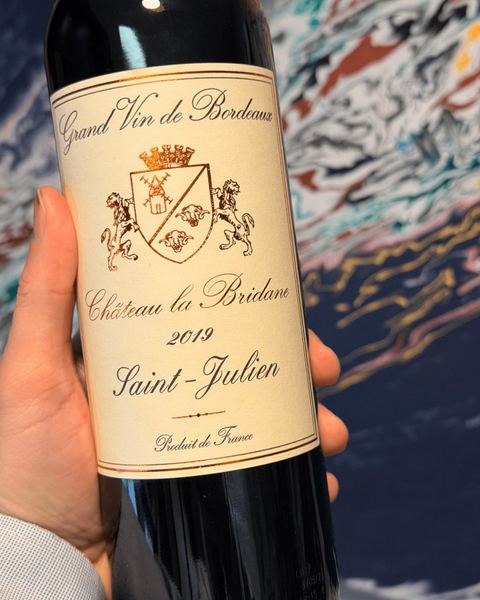
Château Beychevelle Château Branaire-Ducru Château de La Bridane Château du Glana Château Ducru-Beaucaillou Château Gloria Château Gruaud-Larose Château La Fleur Lauga Château Lagrange Château Langoa Barton Château Léoville Barton Château Léoville Las Cases Château Léoville Poyferré Château Moulin de la Rose Château Saint-Pierre Château Talbot Château Teynac
Also in this appellation, with no page here yet:
Tastings
17
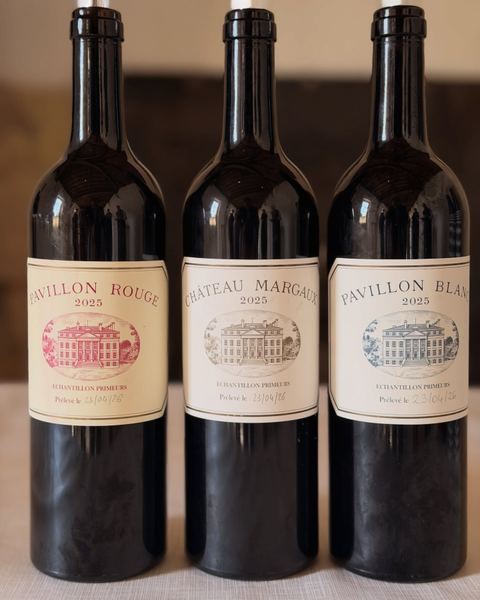
April 23, 2026 · 18
Bordeaux En Primeur 2025, Day 4

April 20, 2026 · 10
Bordeaux En Primeur 2025, Day 1
March 17, 2026
March 2, 2026
February 23, 2026
February 4, 2026
News from Saint-Julien
7
-
Médoc producers reconsider their use of oakBordeaux’s Left Bank producers are recalibrating their use of new oak, with
Château Lascombes inMargaux , ChâteauGruaud Larose in St-Julien andChâteau d'Armailhac inPauillac taking different approaches this year, according to Decanter.Élevage is central to both the style and identity of classified and unclassified
Médoc wines. A broader reconsideration of oak could change how producers pursue structure, texture and expression. -
Ducru-Beaucaillou sets its fifth Harvest Festival
The
Saint-Julien estate will welcome the public on October 18 for masterclasses, carriage rides to the Gironde and a traditional harvest banquet.The festival gives consumers unusually broad access to a classified-growth estate at the close of the growing season. It also shows how leading châteaux are using hospitality to build relationships beyond allocations and formal tastings.
-
Sensory experience in Goiânia revisits the historic Bordeaux Classification - Zelo
In Goiânia on July 9, sommelière Emília Almeida will lead a tasting experience featuring wines from
Margaux ,Saint-Julien ,Saint-Estèphe andPauillac and revisiting the Bordeaux Classification created in Paris in 1855. -
Château Lagrange inSaint-Julien offers private visits, tastings, cooking classes and vineyard tours from €30, while the September 2026 Marathon duMédoc will hold its 40th edition across 42 kilometers and 195 meters. -
Uncover hidden gems: Affordable Bordeaux and Burgundy wines
Decanter rounds up 14 best-value wines under £30 from Bordeaux and Burgundy. The selection spans multiple styles and includes Bordeaux regions such as St-Julien, St-Estèphe and
Sauternes , plus some supermarket own-label options. -
The Union des Grands Crus de Bordeaux published its 2025 Harvest Notebook on October 13, 2025, covering the harvest from
Saint-Julien toPessac-Léognan ,Saint-Émilion andSauternes and describing the vintage as elegant and atypical. -
Uncover hidden gems: Affordable Bordeaux and Burgundy wines for your Christmas feast
Decanter selected 14 Bordeaux and Burgundy wines for Christmas feasts, including sparkling, white, red and sweet styles from areas such as St-Julien, St-Estèphe, Beaujolais, Chablis and
Sauternes .