Château
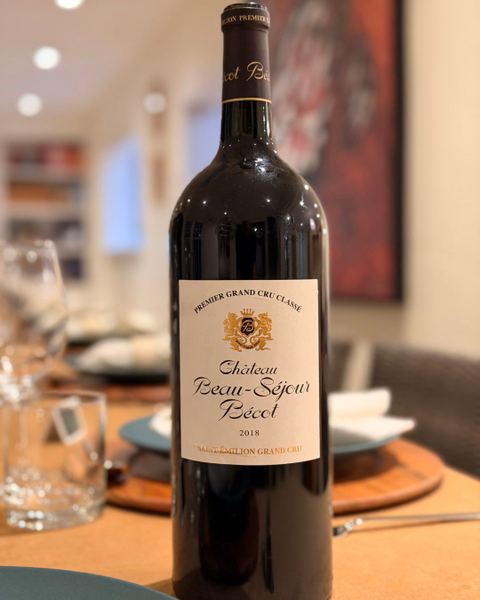
Château Beau-Séjour Bécot
How to read this
Capitals mark the stressed syllable. “zh” is the s in “measure”. The French r comes from the back of the throat. The recording is the reference.
Half of the old Beauséjour on the limestone plateau west of
- Appellation
Saint-Émilion Grand Cru - Châteaux
- See it among the 629
The château
Beauséjour was one estate until 1869, and a highly placed one. In the list of
The first classification of 1955 ranked the property a Premier Grand Cru Classé B. In 1979 Michel Bécot added 2 neighboring classified growths, La Carte and Les Trois Moulins, which the old books had printed as first growths in their own right, and the classification of 1986 placed Beau-Séjour Bécot among the Grands Crus Classés. The list of 1996 returned it to Premier Grand Cru Classé B, and it was confirmed in 2012 and again in September 2022, among the 14 Premiers Grands Crus Classés. Gérard and Dominique Bécot followed their father; Julien Barthe is managing director, and Juliette Bécot, of the new generation, runs communications.
The 22 hectares lie on the limestone plateau of Saint-Martin de Mazerat, clay and limestone over limestone rock, planted 80% Merlot, 15% Cabernet Franc and 5% Cabernet Sauvignon, vines 45 years old on average. Under the vines, Michel Bécot turned 7 hectares of worked-out quarries into cellars; new vat rooms and aging cellars opened in 2023. The harvest is picked by hand and fermented in stainless steel, and the first wine spends about 16 months in new barrels, amphorae and large casks. The estate makes about 80,000 bottles a year, and Petit Bécot is the second wine.
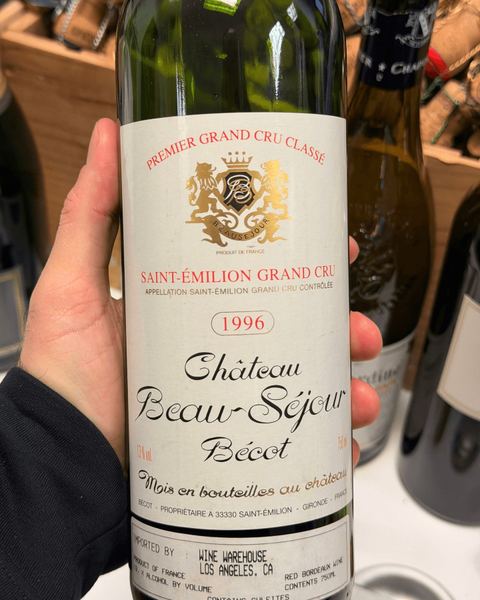
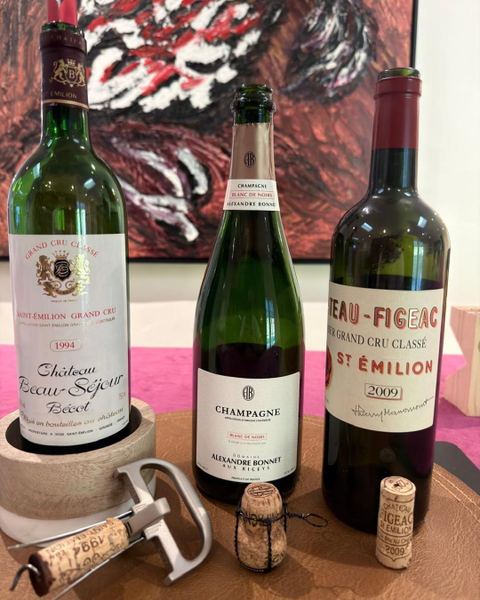
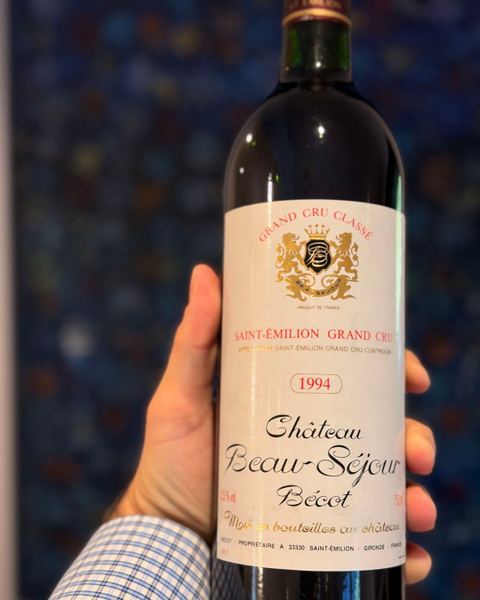
The 1996, the vintage of the comeback, carries the word Premier back on its label. When I tasted it in January 2026 it was composed and quietly confident, the fruit turned savory, dried plum, cedar and a touch of graphite, with the limestone keeping it upright and fresh: a wine that rewards patience rather than performing for attention. The 1994, which I tasted in December 2025, came from a cooler, more traditional era and had the charm of maturity: gentle red fruit, tobacco leaf, hints of truffle.
At a glance
- Appellation
Saint-Émilion Grand Cru - Commune
Saint-Émilion , on the Saint-Martin de Mazerat plateau- Classification
- Premier Grand Cru Classé B, 1955, 1996, 2012 and 2022; Grand Cru Classé in 1986; Michelin Guide, 2 grapes (2026)
- Owners
- The Bécot family, since 1969
- Direction
- Julien Barthe, managing director; Gérard and Dominique Bécot; Juliette Bécot
- Vineyard
- 22 hectares; vines 45 years old on average
- Soil
- Clay and limestone over limestone rock, with 7 hectares of old quarries beneath, cut into cellars Terroir of
Saint-Émilion → - Grapes
- Merlot 80%, Cabernet Franc 15%, Cabernet Sauvignon 5%
- Cellar
- Picked by hand; stainless steel; about 16 months in new barrels, amphorae and large casks; new vat rooms and aging cellars in 2023
- Production
- About 80,000 bottles a year
- Wines
Château Beau-Séjour Bécot ; Petit Bécot- In history
- First class of the Haut-
Saint-Émilion in the list of 1841, at 30 tonneaux, as one estate withChâteau Beauséjour
Sources
- Institutions
- Union des Grands Crus de Bordeaux,
Château Beau-Séjour Bécot ; Conseil des Vins deSaint-Émilion : Château Beau Séjour Bécot, the 1986 classification, the 1996 classification, the 2022 classification; INAO,Saint-Émilion grand cru: the classification for the next decade
Revised October 13, 2026. How I choose sources
The record
In the Michelin Guide’s first Bordeaux selection, announced on September 8, 2026, it took 2 grapes of a possible 3, one of 16 estates at that mark.
Sources: INAO,
Private
By invitation only.
Tastings
4
In the news
1
-
The St.-Emilion Vanguard:
Clos Fourtet and Beau-Séjour BécotAccording to Wine Spectator,
Clos Fourtet and Beau-Séjour Bécot are at the St.-Emilion vanguard, and their impressive Merlot-based reds deserve a place in your cellar.
On from here
Test yourself on